Mar. 18, 2026
The Mysteries of the TV System Encoder
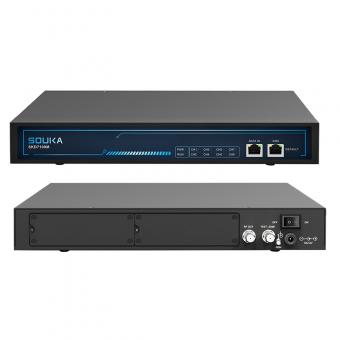
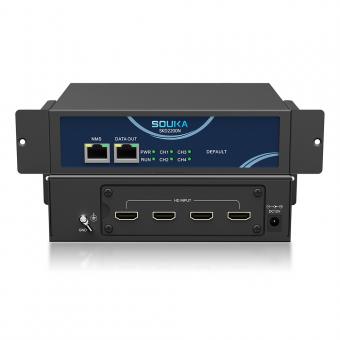
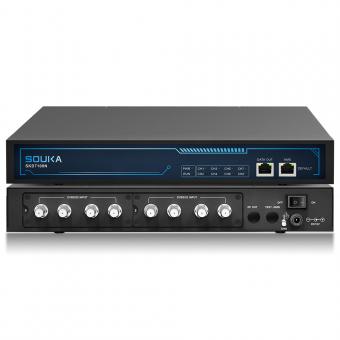
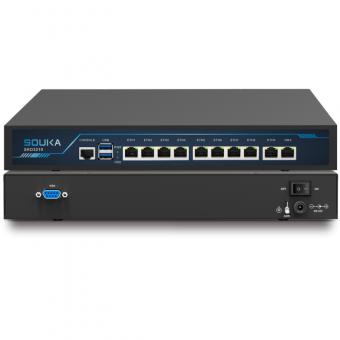
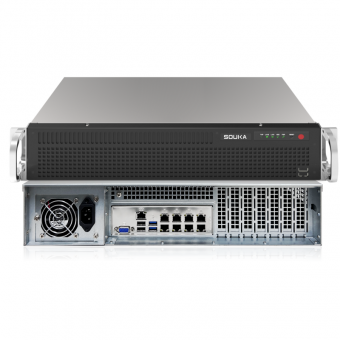
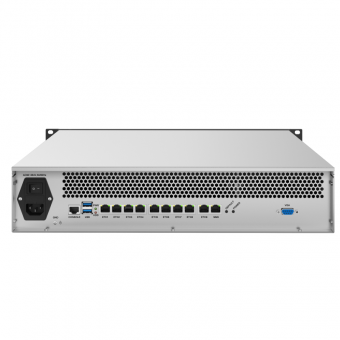
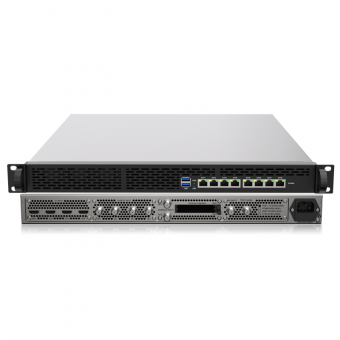
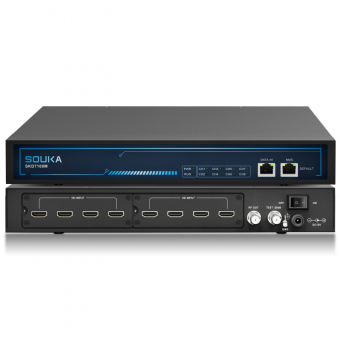
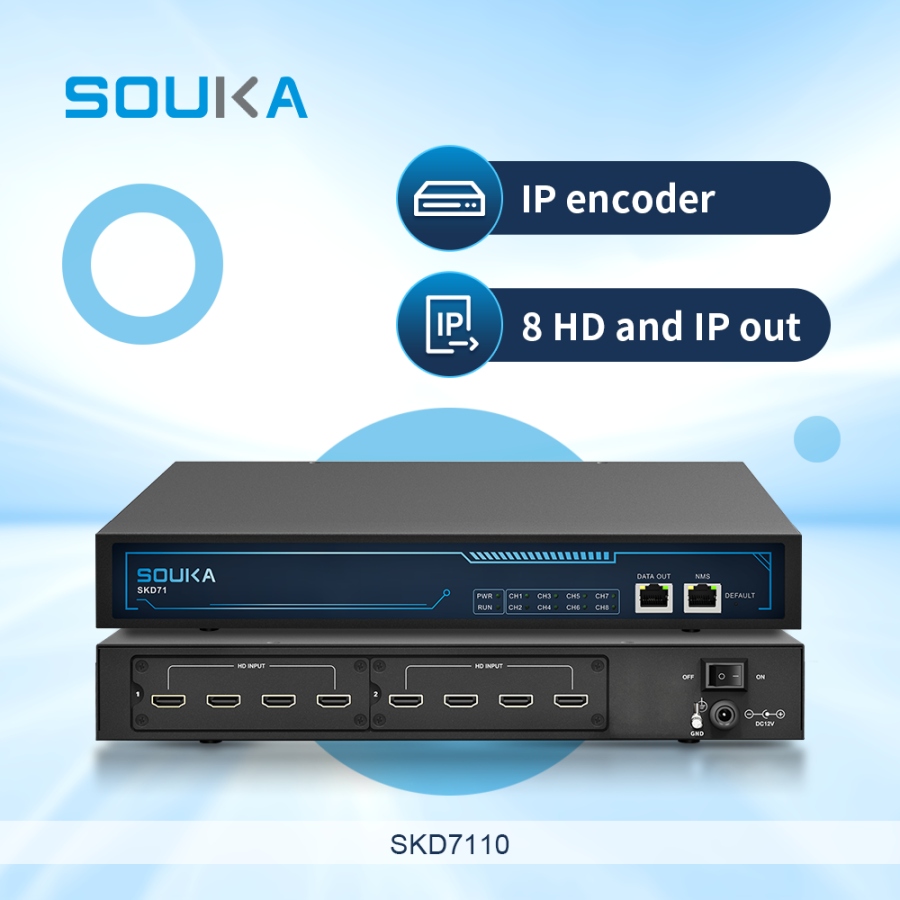
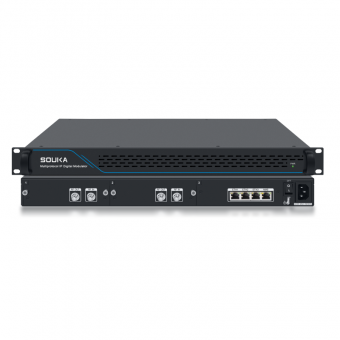
The Mysteries of the TV System Encoder In today's digital age, the television system encoder, as one of the key technologies in the field of broadcasting, plays a crucial role. It not only affects the quality of the television programs we watch but also provides robust support for various multimedia applications. Today, let us delve into the working principles of television system encoders, the interfaces on the hardware devices, and the functions they can perform. 1. Working Principles of Television System Encoders The primary task of a television system encoder is to convert raw video and audio signals into a digital format suitable for transmission and storage. This process involves several complex steps and technologies. First, the encoder samples and quantizes the input analog video signal. By sampling the video signal at a specific frequency, it converts the signal into a series of discrete values. Simultaneously, the audio signal undergoes similar processing and is converted into digital audio data. Next, the encoder applies compression algorithms to these digitized video and audio data. Common compression standards, such as H.264 and H.265, significantly reduce the amount of data by removing redundant information and leveraging correlations within the images and audio, while maintaining good quality. During the compression process, the encoder performs inter-frame prediction and intra-frame prediction on the video. Inter-frame prediction utilizes the similarities between adjacent frames to reduce data volume, while intra-frame prediction optimizes based on pixel correlations within the same frame. Finally, the compressed data is encapsulated into specific formats, such as MPEG-TS (MPEG Transport Stream), to facilitate transmission over networks or storage on various media. 2. Interfaces on Hardware Devices To enable connectivity and data transmission with other devices, television system encoders are typically equipped with a variety of interfaces. HD Interface (High Definition Multimedia Interface) This is currently the most widely used high-definition multimedia interface. It can simultaneously transmit high-quality video and audio signals, supporting high resolutions and high refresh rates, providing users with a clear and smooth audiovisual experience. SDI Interface (Serial Digital Interface) Commonly used in professional broadcasting, this interface offers high stability and long-distance transmission capabilities, enabling the transmission of uncompressed digital video signals. USB Interface (Universal Serial Bus) This interface can be used not only to connect storage devices but also for data exchange and control with computers and other devices. Ethernet Interface Used to establish network connections, this interface supports remote control of the encoder, data upload and download, and communication with other devices on the network. Audio Interfaces Interfaces such as XLR and RCA connectors are used to connect external audio devi...